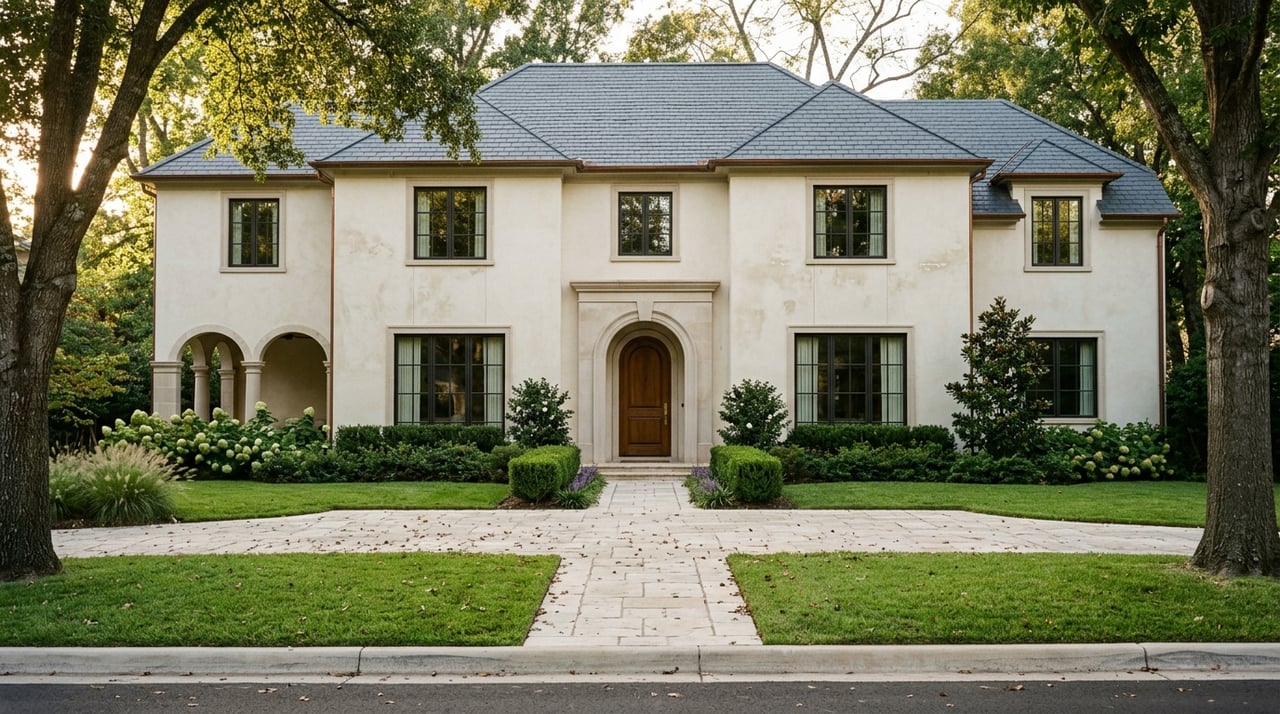
If you picture Buckhead as all polished retail and fast-moving main roads, the leafy residential core can feel like a surprise. Just a few turns off the main corridors, you find winding streets, mature trees, historic homes, and parks that shape the pace of everyday life. If you are trying to understand what it actually feels like to live here, this guide will walk you through the character, rhythm, and practical appeal of Buckhead’s most established residential pockets. Let’s dive in.
Where Buckhead’s residential core begins
Buckhead began in the late 1800s as a rural area of large estates and grew into a prominent residential district along Peachtree Road in the early 1900s. In the part of Buckhead most closely tied to this leafy, established identity, four neighborhoods stand out: Garden Hills, Peachtree Hills, Peachtree Heights East, and Peachtree Heights West.
These neighborhoods are recognized by the City of Atlanta in NPU B, and together they form a residential core with a distinctly sheltered feel. Even though they sit close to major shopping, dining, and commuter routes, their interiors read as neighborhood-first rather than commercial-first.
What daily life feels like here
The biggest draw is not just the homes. It is the way the landscape, street pattern, and neighborhood amenities create a calm daily rhythm that still feels connected to the city.
In these neighborhoods, green space is part of normal life. You are more likely to think in terms of walks under tree canopy, park meetups, and short drives for errands than destination-style living. The feel is polished, but it is also practical.
Neighborhood organizations reinforce that rhythm. Public-facing association materials across Garden Hills, Peachtree Hills, and Peachtree Heights East point to community events, park stewardship, recreation amenities, and local communication that support an active residential environment.
Garden Hills offers a classic Buckhead feel
Garden Hills may be the clearest expression of Buckhead’s leafy residential character. The neighborhood association describes it as a large urban forest with winding streets, mature hardwood trees, pocket parks, landscaped traffic islands, and a neighborhood pool and recreation center.
It also has scale. According to the association, Garden Hills includes more than 750 single-family homes, which helps explain why it feels both established and substantial. You get a neighborhood with strong identity, but also enough size to support a broader mix of streetscapes and home styles.
Architecturally, Garden Hills brings together many of the forms people often associate with classic Buckhead living. The older sections include Georgian, Tudor, Spanish Revival, and Craftsman homes, while historic district materials identify an even wider mix that includes Neoclassical, International or Modernistic, and Moorish influences.
Peachtree Hills feels smaller and layered
Peachtree Hills offers a slightly different version of the same core appeal. Its civic association traces the neighborhood back to farmland subdivision in 1910 and formal neighborhood designation in 1912, with roots as a streetcar suburb.
That history matters because it still shapes the neighborhood’s feel today. Peachtree Hills tends to read as a preserved historic suburb, with older cottages, revival-era homes, and later infill creating a layered streetscape rather than a uniform one.
The result is a neighborhood that often feels intimate and established at the same time. Its civic association also emphasizes long-running work to preserve the neighborhood’s desirable qualities, safety, and sense of community, which helps explain why it continues to hold such a steady identity within Buckhead.
Peachtree Heights West feels estate-like
If you are drawn to a more formal and especially wooded setting, Peachtree Heights West stands out. Its civic association describes rolling hills, winding streets, and a canopy of ancient oaks, magnolias, and pines, all paired with architecturally significant homes.
The neighborhood’s planning history adds to that impression. The association notes that the land plan was designed by Carrère and Hastings, with curving streets that follow the terrain and generous lots set up for gardens.
That design approach still shows in the experience of moving through the neighborhood. The setting feels park-like and intentional, not just because of the homes themselves, but because the streets, topography, and landscaping were planned to work together.
Peachtree Heights East adds stewardship and charm
Peachtree Heights East contributes another important part of the area’s identity. The neighborhood association notes that the Duck Pond and adjacent parks were deeded in trust in 1933, and that neighborhood organizations continue to oversee security, park rentals, and community events.
That kind of long-term stewardship gives the area a strong sense of continuity. It also supports the semi-rural character the neighborhood has worked to maintain over time, even within an intown setting.
For many buyers, that translates into something simple but important: the neighborhood feels cared for. In established Buckhead pockets, that kind of civic involvement is often a major part of everyday appeal.
Streetscapes shape the experience
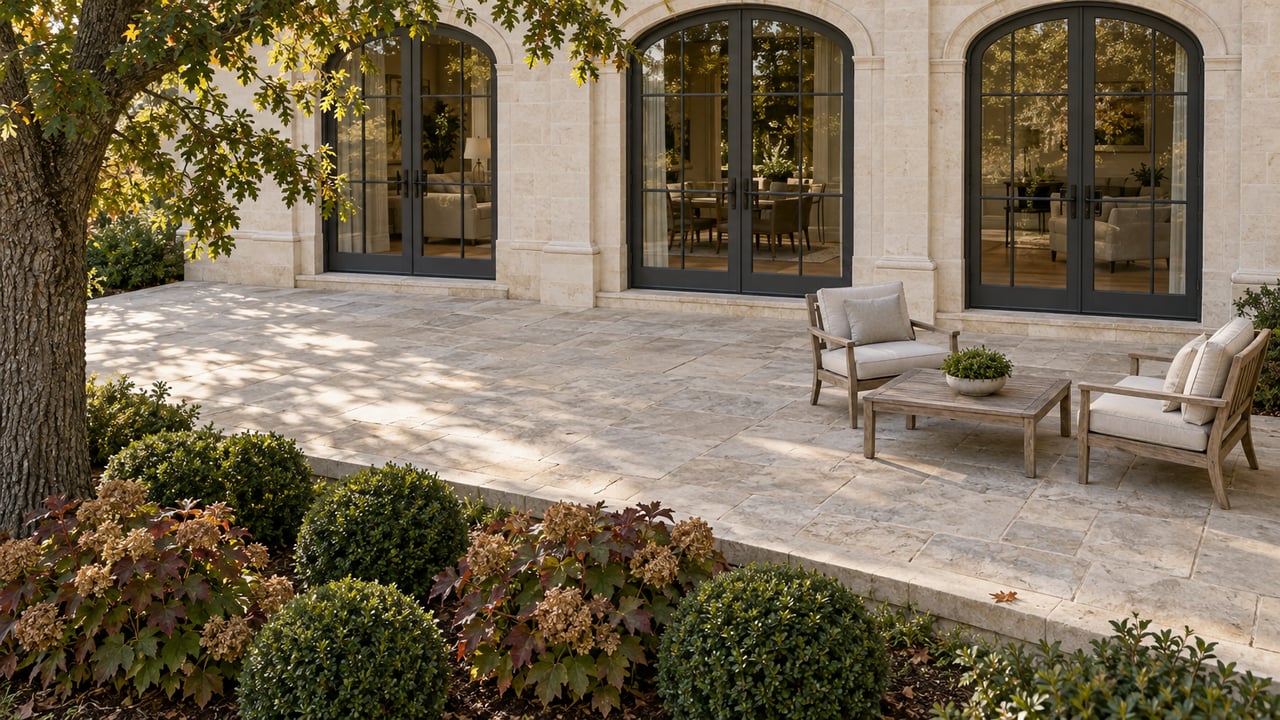
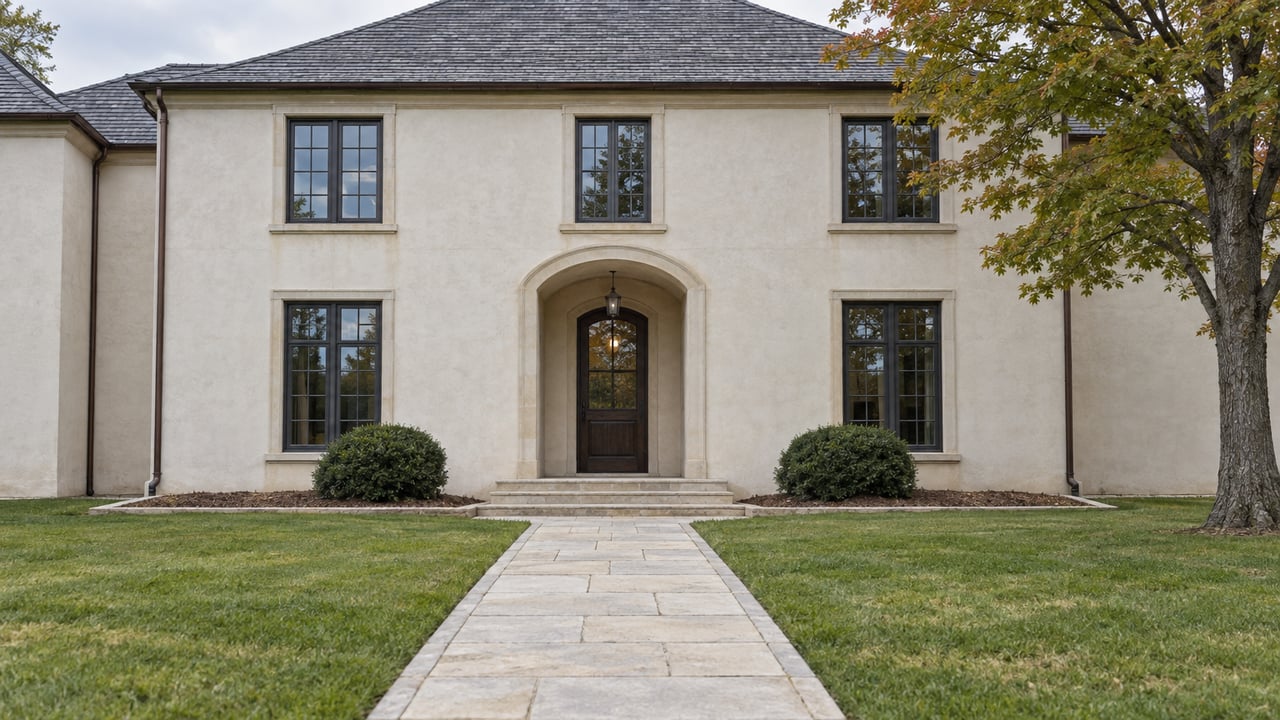
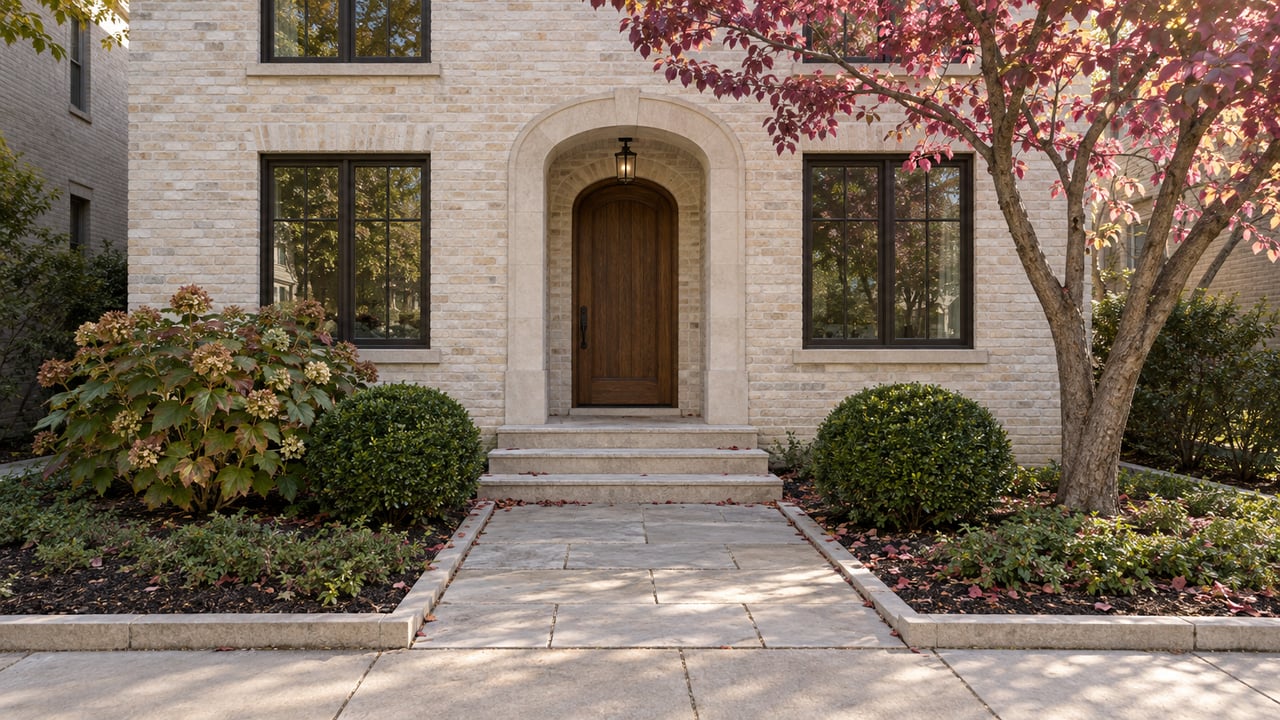
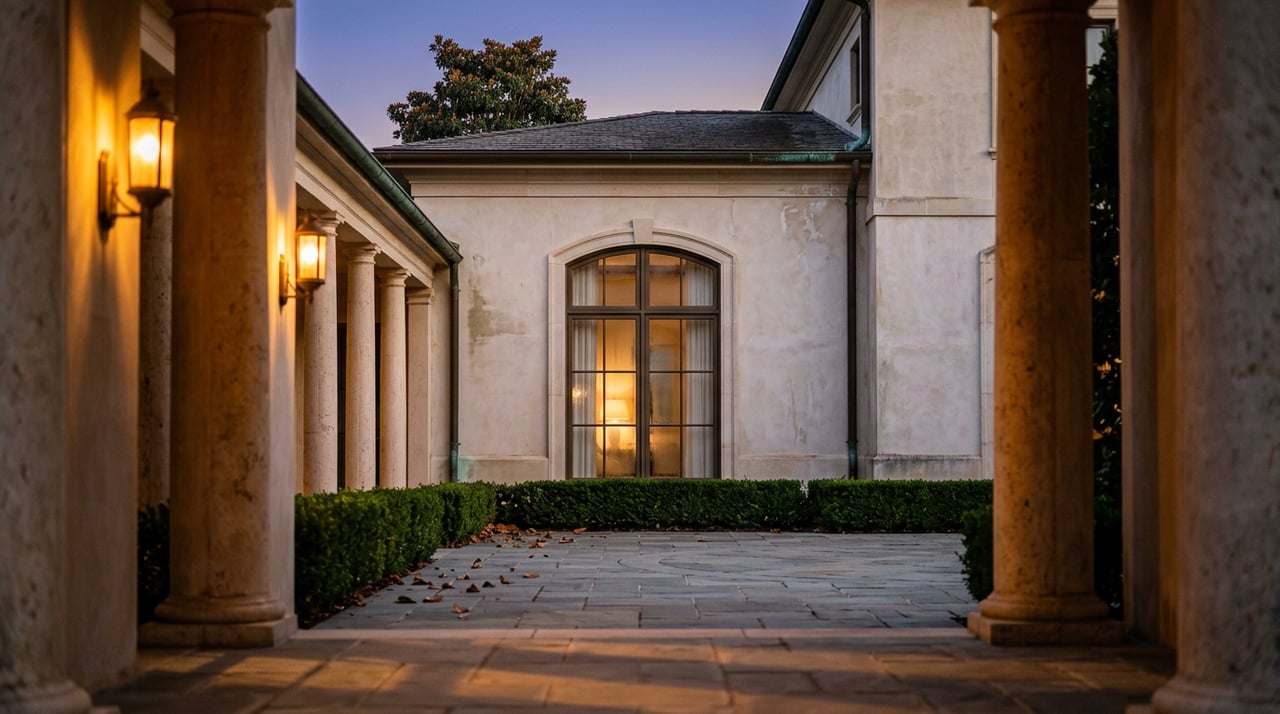
One reason this part of Buckhead stands apart is the way homes sit within the landscape. The common thread is not one single architectural style. It is early- to mid-20th-century residential design placed into mature, heavily landscaped surroundings.
Peachtree Heights Park is especially useful for understanding that visual identity. National Register materials describe curving streets that follow the natural topography, respect drainage and vegetation, and include a landscaped median, all of which contribute to a cohesive park-like setting.
The homes themselves span a broad range of styles, including English Tudor, Jacobean, Georgian, Federal, Norman, Italian, Spanish Mediterranean, and Regency. Broad lawns and informal plantings help tie that variety together, so the streets feel unified even when the architecture is not identical.
Parks and recreation are part of the routine
In Buckhead’s residential core, parks are not an afterthought. They are part of how the neighborhood functions from day to day.
The City of Atlanta lists Garden Hills Park and Peachtree Hills Park as neighborhood or community parks. Garden Hills Civic Association also points to Sunnybrook, Alexander, and Bagley parks, which adds to the sense that green space is woven into the neighborhood fabric.
The Peachtree Hills Recreation Center at 308 Peachtree Hills Avenue NE adds another layer of everyday usefulness. With weekday and Saturday hours listed by the city, it reads as a real local amenity, not just something you notice on a map.
For residents, this can mean a lifestyle centered on short routines close to home. Dog walks, playground stops, casual outdoor time, and neighborhood events all fit naturally into the day.
Errands and dining stay close at hand
One of the strongest advantages of this area is how residential it feels without becoming isolated. The commercial edges of the neighborhood are highly convenient, which is a big reason the lifestyle works so well.
Buckhead Village District positions itself as a shopping and dining destination in the heart of Buckhead, with cobblestone streets, greenery, gathering spaces, and a mix of fashion and dining. Nearby, Phipps Plaza and Lenox Square add a wide range of retail options.
For everyday needs, several familiar stops are close by, including Whole Foods Buckhead at 77 West Paces Ferry Road NW, Trader Joe’s Buckhead at 3183 Peachtree Road, Publix Buckhead Landing at 3330 Piedmont Road NE, and Target Buckhead at 3535 Peachtree Road NE. That combination helps the area feel refined without making regular errands inconvenient.
Getting around Buckhead’s core
This part of Buckhead still functions primarily as a car-oriented intown district, but transit is more present than many people expect. MARTA says Buckhead Station is on the Red Line, has entrances on Peachtree Road, and offers local and shuttle bus connections.
Route 23, Peachtree Road/Buckhead, serves stops including Arts Center, Peachtree Road and Peachtree Hills, Buckhead, Lenox, Brookhaven, and Chamblee. For residents who want occasional rail access or another commuting option, that connectivity can be a meaningful plus.
In practical terms, many people here use a mix of driving and selective transit. That hybrid pattern fits the neighborhood well because it preserves convenience while still offering another way into key parts of the city.
Why buyers stay drawn to this pocket
For many buyers, the appeal comes down to balance. You get established single-family character, mature landscaping, historic architectural variety, neighborhood amenities, and close access to shopping and dining, all within one of Atlanta’s best-known intown areas.
It also does not feel one-note. Garden Hills, Peachtree Hills, Peachtree Heights East, and Peachtree Heights West each have their own scale and visual identity, which means your experience can vary meaningfully from one pocket to the next.
That is where local guidance matters. In Buckhead, small shifts in streetscape, lot pattern, architecture, and access can shape how a neighborhood feels day to day, even when the map suggests everything is close together.
If you are considering a move in Buckhead and want help understanding which pocket best fits your lifestyle and priorities, Shanna Bradley offers the kind of detailed neighborhood insight and concierge-level guidance that can make your search more focused and confident.
FAQs
What neighborhoods make up Buckhead’s leafy residential core?
- The core most associated with this setting includes Garden Hills, Peachtree Hills, Peachtree Heights East, and Peachtree Heights West.
What home styles are common in Buckhead’s residential core?
- Common styles include Georgian, Tudor, Spanish Revival, Craftsman, Federal, Italian, Norman, Regency, and other early- to mid-20th-century revival designs.
What makes Garden Hills stand out in Buckhead?
- Garden Hills stands out for its large urban-forest feel, winding streets, mature hardwoods, pocket parks, and more than 750 single-family homes.
What is daily life like in Peachtree Hills and nearby neighborhoods?
- Daily life tends to revolve around tree-lined residential streets, parks, recreation amenities, errands close to home, and neighborhood-led events.
Is Buckhead’s residential core convenient for shopping and errands?
- Yes, the area is close to Buckhead Village District, Phipps Plaza, Lenox Square, and everyday stops like Whole Foods, Trader Joe’s, Publix, and Target.
Does Buckhead’s residential core have transit access?
- Yes, MARTA Buckhead Station on the Red Line and Route 23 along Peachtree Road provide added connectivity, although the area still functions mainly as a car-oriented intown district.