If you are deciding between Historic Brookhaven and one of Brookhaven’s newer communities, you are really choosing between two very different ways to live in the same city. Some buyers want timeless architecture, larger lots, and a quieter residential setting. Others want newer floor plans, easier upkeep, and the ability to be closer to shops, dining, and MARTA. This guide breaks down how these parts of Brookhaven compare so you can focus on the fit that makes the most sense for your lifestyle. Let’s dive in.
Brookhaven at a Glance
Brookhaven is an intown city in DeKalb County that was incorporated in 2012 and is now home to nearly 60,000 residents. The city describes itself as a place with walkable urban village centers on Dresden Drive, a major parks system, and convenient access to I-85, I-285, Georgia 400, and MARTA.
That big-picture context matters when you compare Historic Brookhaven with newer Brookhaven communities. Both benefit from the same citywide access and amenities, but they deliver a very different day-to-day experience once you get home.
Historic Brookhaven Feel
Historic Brookhaven is the original Brookhaven neighborhood, and its roots go back to the early 20th-century Brookhaven Country Club development. The area began as a golf-club community in 1910, and much of the original housing was completed between 1910 and 1941.
The neighborhood is known for its curving streets, wooded setting, long narrow lots, and homes finished in wood, brick, stucco, and stone. You will also find a wide mix of architectural styles, including Colonial Revival, Georgian Revival, Tudor Revival, Craftsman, Dutch Colonial Revival, and Spanish Revival.
In practical terms, Historic Brookhaven still reads as a mostly residential area. The city’s comprehensive plan expects little change there and emphasizes preserving the neighborhood’s unique homes and golf-course character.
Newer Brookhaven Feel
Newer Brookhaven communities tend to cluster around the Brookhaven/Oglethorpe MARTA station, Dresden Drive, Brookhaven Village, and Town Brookhaven. These areas reflect a more recent planning pattern centered on mixed-use development, pedestrian connections, and a more urban layout.
MARTA classifies the Brookhaven/Oglethorpe station area as a Town Center node. That means the area is intended to support a denser, active environment where housing, retail, and walkability all work together.
Town Brookhaven is one of the clearest examples of this newer model. Its official site describes it as a 460,000-square-foot mixed-use neighborhood with walkable streets, public spaces, nearly 1,000 residences, and major retail anchors including Costco and Publix.
Brookhaven Village is another good example. It began with apartments above retail and has expanded into a community with townhomes, shops, and restaurants.
Architecture and Streetscape
Historic Brookhaven Homes
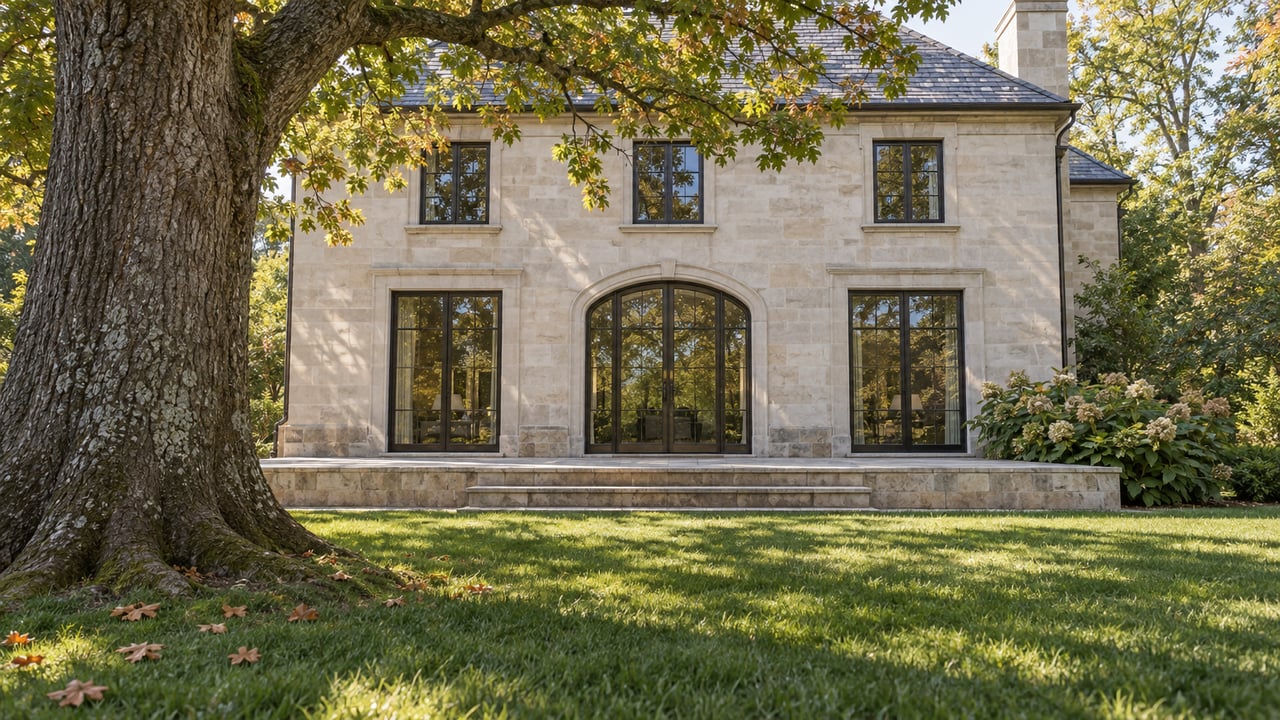
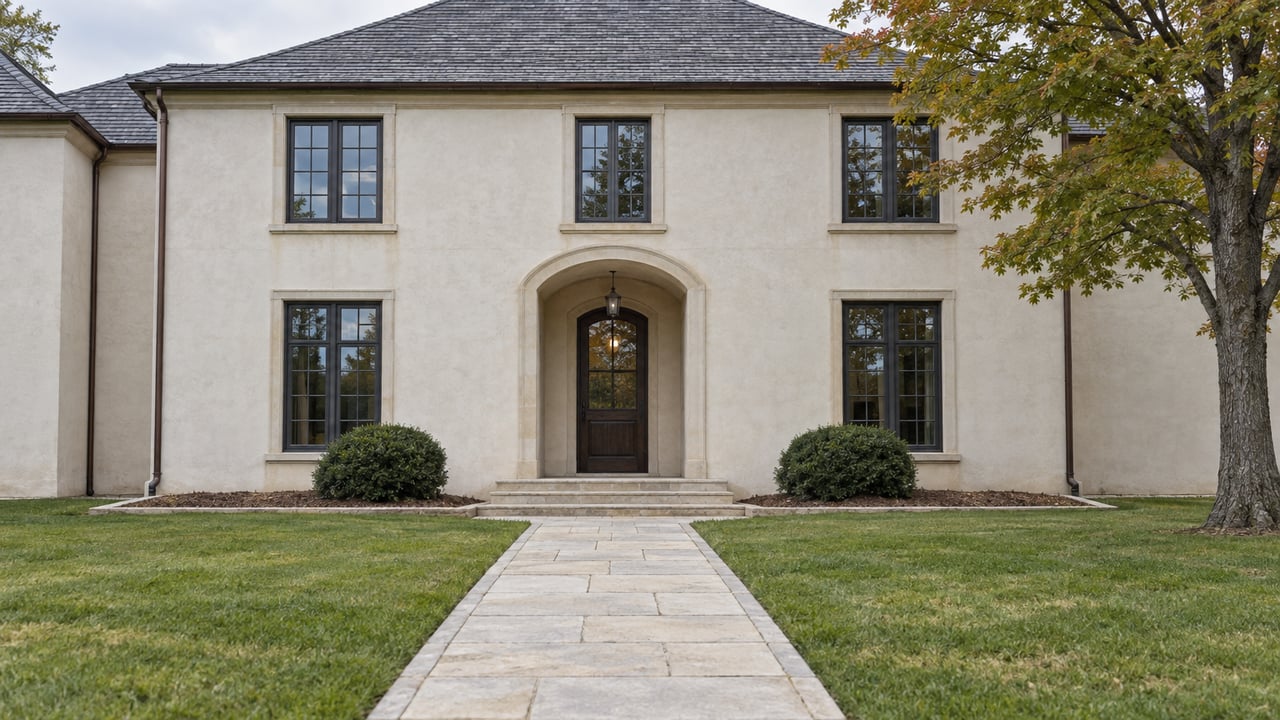
If you are drawn to architectural character, Historic Brookhaven usually stands apart. Its homes were built across several decades in the early 1900s, and the neighborhood’s design details reflect that history.
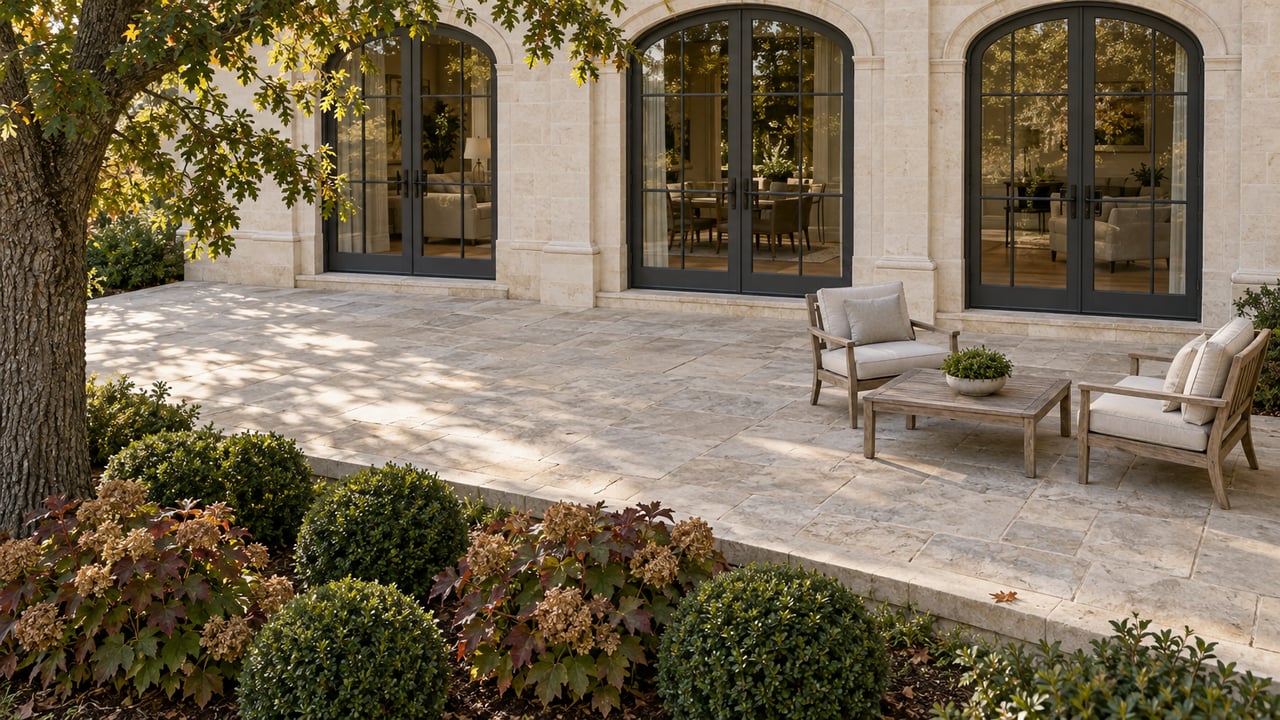
You are more likely to notice mature landscaping, deeper setbacks, and a softer, more established streetscape. The neighborhood’s curvilinear street pattern and wooded backdrop add to that classic estate feel.
Newer Brookhaven Homes
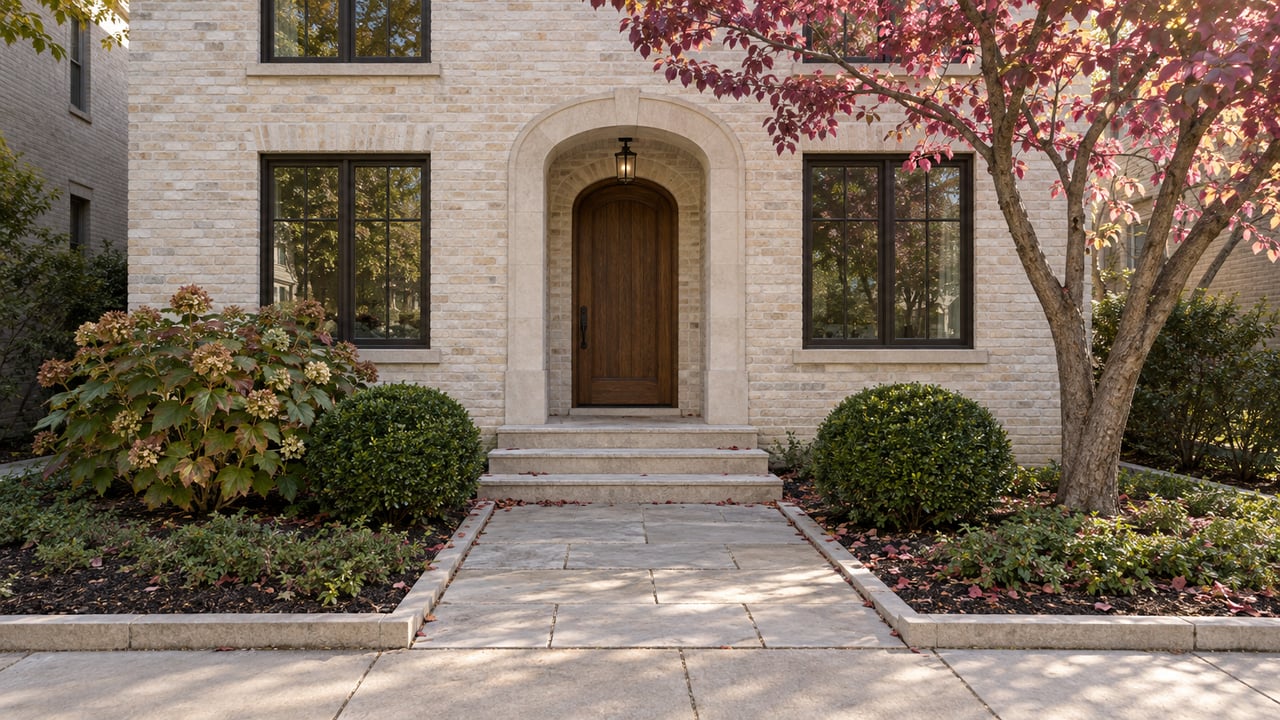
In newer Brookhaven communities, the housing mix is broader and often includes townhomes, multifamily buildings, and newer detached homes. Planning documents for the Brookhaven-Peachtree corridor call for pedestrian-friendly, higher-density development near the MARTA station, including townhomes with rear-access parking and street-facing fronts.
For many buyers, that translates into more current layouts and a lower-maintenance lifestyle. Instead of historic detailing and larger estate-like lots, the emphasis is often on efficient design, accessibility to daily conveniences, and a more connected streetscape.
Walkability and Convenience
Historic Brookhaven Access
Historic Brookhaven offers a quieter setting, but it is not the strongest match if your top priority is walking to a dense retail area every day. Redfin shows a Walk Score of 26, and the National Register description notes that sidewalks are concentrated around the golf-course core while much of the rest of the district has none.
That does not mean the neighborhood lacks appeal. It simply means its amenities feel more residential, with the golf-course setting, pocket parks, and access to nearby city parks shaping the experience more than storefronts and restaurant rows.
Newer Brookhaven Access
If you want easier access to errands, dining, and transit, the newer nodes usually have the edge. The city describes Dresden Drive as a walkable urban village center, and the planning vision around the MARTA station supports mixed-use, pedestrian-friendly development.
That difference can have a big impact on your routine. In newer Brookhaven communities, it is more realistic to prioritize a walk-to-retail lifestyle, especially near Dresden Drive, Brookhaven Village, and Town Brookhaven.
Parks and Outdoor Amenities
One advantage of Brookhaven as a whole is that both older and newer areas benefit from a strong public parks system. The city says it operates 19 parks, 3 pools, 2 recreation centers, and 352 acres of parkland.
The city also reports that 75% of Brookhaven is within a 10-minute walk of a park. A 2025 sidewalk inventory counted more than 79 miles of city-owned sidewalks, trails, and multiuse paths, and the Peachtree Creek Greenway adds a 3-mile Brookhaven segment that links neighborhoods to broader trail systems and transit.
Within Historic Brookhaven, neighborhood organization is a visible part of daily life. The Historic Brookhaven Neighborhood Association says it maintains pocket parks, triangles, monuments, and other common areas, and it notes that Brookhaven Park includes wooded trails and an off-leash dog park.
For buyers comparing the two, the key difference is not whether you have access to parks. It is whether you want your outdoor life to feel more tucked into a residential landscape or more integrated into a mixed-use, walkable setting.
Price Positioning in Brookhaven
Brookhaven’s current citywide market sits around the mid-$700,000s. Zillow shows an average home value of about $752,000 and a median sale price of about $757,000, with homes going pending in roughly 18 to 19 days.
Historic Brookhaven sits notably above that level. Redfin’s May 2026 market snapshot shows a median sale price of $1,224,588, which places it near the top of Brookhaven’s pricing ladder.
Newer Brookhaven communities can still command premium pricing, especially for well-located townhomes and new construction. In Brookhaven Village, Redfin shows townhouses at a median listing price of $859,000, with some new-construction options around $1.3 million to $1.4 million.
The takeaway is simple. Newer Brookhaven is not necessarily inexpensive, but Historic Brookhaven generally commands higher pricing because of lot size, lot character, and the scarcity of its historic setting.
Which Brookhaven Lifestyle Fits You?
Choose Historic Brookhaven If You Want
If your wish list starts with older architecture, mature trees, and a quieter residential feel, Historic Brookhaven may be the stronger fit. It is especially appealing if you value large setbacks, a traditional neighborhood pattern, and homes with long-standing character.
This part of Brookhaven often attracts buyers who are looking for a distinctive setting rather than a purely convenience-driven one. The premium can be worth it if what you want is hard to replicate elsewhere.
Choose Newer Brookhaven If You Want
If you care most about newer floor plans, easier maintenance, and being closer to shops, restaurants, and transit, a newer Brookhaven community may suit you better. The mixed-use nodes near Dresden Drive, Town Brookhaven, and the MARTA station were intentionally built or planned to support that lifestyle.
That can be especially helpful if you want a home base that feels more connected to daily activity. For many buyers, the ability to combine residential living with nearby retail and dining is a major advantage.
A Smart Way to Compare in Person
When two areas serve different priorities, online photos only tell part of the story. The better strategy is to compare them through the lens of how you actually live.
Ask yourself a few practical questions:
- Do you want architectural history or newer finishes?
- Do you prefer larger lots or lower-maintenance living?
- Is walkability to retail a priority?
- Do you want a quieter residential setting or a more active mixed-use environment?
- Are you shopping near the citywide median, or are you aiming for Brookhaven’s upper luxury tier?
Those answers usually make the choice much clearer. In Brookhaven, the right fit is less about which area is better and more about which one aligns with your goals.
If you are weighing Historic Brookhaven against newer Brookhaven communities, a neighborhood-by-neighborhood strategy can save time and sharpen your decision. For tailored guidance on Brookhaven’s luxury and intown market, connect with Shanna Bradley.
FAQs
What is the main difference between Historic Brookhaven and newer Brookhaven communities?
- Historic Brookhaven is known for early 20th-century architecture, larger lots, mature landscaping, and a quieter residential setting, while newer Brookhaven communities are more likely to offer newer homes, mixed-use surroundings, and easier access to shopping, dining, and transit.
How walkable is Historic Brookhaven compared with newer Brookhaven areas?
- Historic Brookhaven is more residential in character, with a Redfin Walk Score of 26 and sidewalks concentrated near the golf-course core, while newer areas around Dresden Drive, Town Brookhaven, and the MARTA station were planned to be more pedestrian-friendly.
Are newer Brookhaven communities less expensive than Historic Brookhaven?
- Often yes, but not always by a wide margin, since Historic Brookhaven had a median sale price of $1,224,588 in Redfin’s May 2026 snapshot, while Brookhaven Village townhouses were listed at a median of $859,000 and some new-construction options were around $1.3 million to $1.4 million.
What types of homes are common in Historic Brookhaven?
- Historic Brookhaven features one- and two-story homes from roughly 1910 to 1941, with styles that include Colonial Revival, Georgian Revival, Tudor Revival, Craftsman, Dutch Colonial Revival, and Spanish Revival.
What kinds of amenities do newer Brookhaven communities offer?
- Newer Brookhaven communities often offer closer access to mixed-use amenities such as retail, restaurants, walkable streets, public spaces, and MARTA, especially around Dresden Drive, Brookhaven Village, and Town Brookhaven.
Do both Historic Brookhaven and newer Brookhaven areas have access to parks?
- Yes, both benefit from Brookhaven’s citywide park system, which includes 19 parks, 3 pools, 2 recreation centers, 352 acres of parkland, and a large share of residents within a 10-minute walk of a park.